
Preview

Electrifying {{location}}

{{location_type}} · what going electric could mean for local households

{{location}} has crossed the electrification tipping point where homes can save money and reduce their emissions by going electric. The technology is proven, the economics stack up, and the transition is already underway. But there are still plenty of households paying more than they need to by running on fossil fuels.

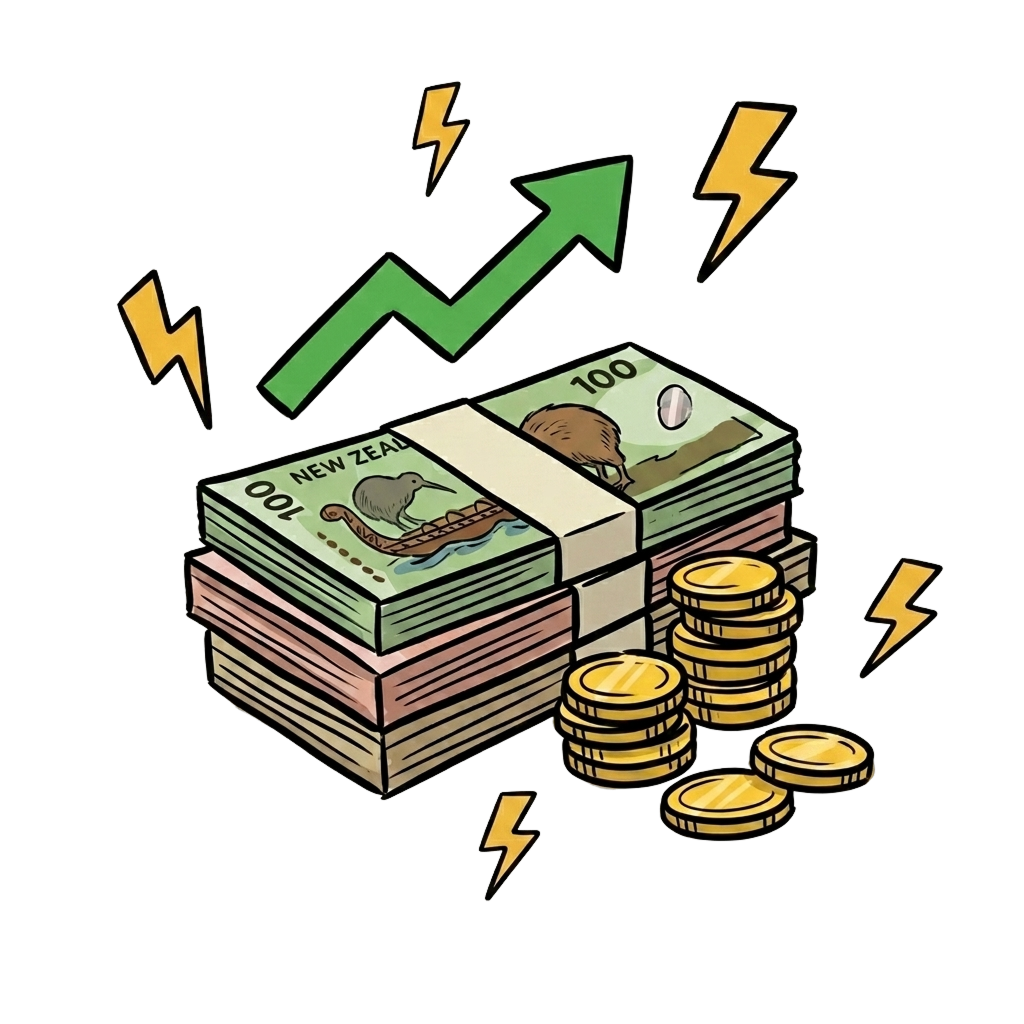
Illustration of New Zealand cash and coins with a rising savings arrow

Economics

{{fossil_spend_daily}} spent
on fossil fuels every day

That's {{fossil_spend_annual}} spent each year on fossil fuels by just households in {{location}}. Most of these fossil fuels are imported, meaning this money leaves the local economy. Plus, history shows fossil fuel costs are volatile, with prices rising faster than the rate of inflation.

{{elec_savings_annual}} saved
every year

If every {{location}} home were to electrify all appliances and vehicles, with 80% also adopting rooftop solar and home batteries, household energy costs would drop significantly. That's {{elec_savings_daily}} saved per day, and meaningful cost of living relief for {{location}} households.

{{location}} homes could cumulatively save {{cumulative_savings}} between 2026 and 2040. That's the equivalent of {{equiv_stadiums}} Christchurch Stadiums or {{equiv_hospitals}} {{location}} Hospitals.

Illustration of an electrician's tools — pliers, screwdriver and coiled cable

Emissions and jobs

{{co2e_annual}}t CO2e
avoided every year

Electrifying {{location}}'s homes will result in a significant reduction in emissions. That's the equivalent of {{equiv_flights}} return flights between Auckland and Queenstown.

{{jobs_created}} local jobs
created

New local jobs, driven by additional installation labour and the savings flowing through the community.

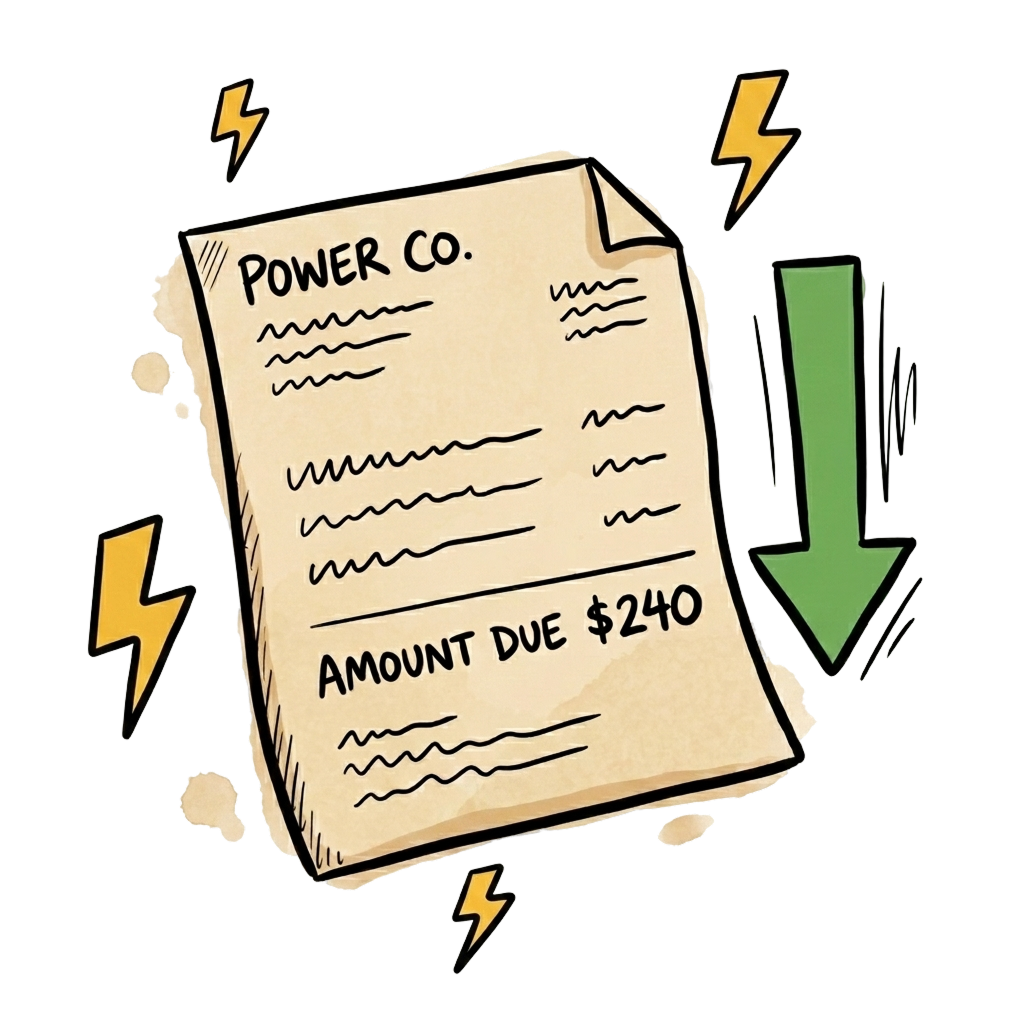
Illustration of a power bill with a falling-cost arrow

Bills

{{bill_fossil}} annual bill
for a fossil fuel home

For an average {{location}} home (using gas for cooking and heating, driving two petrol vehicles), energy spending is spread across multiple fuels, each with its own bill, its own price fluctuations, and its own supplier.

{{bill_electric}} annual bill
for an electric home

When a {{location}} home electrifies (using electric heating and cooking, driving two EVs, plus solar and batteries), they consolidate their energy into a single source — electricity — meaning lower bills and far greater control.

The average {{location}} home could save {{bill_savings}} every year by electrifying.

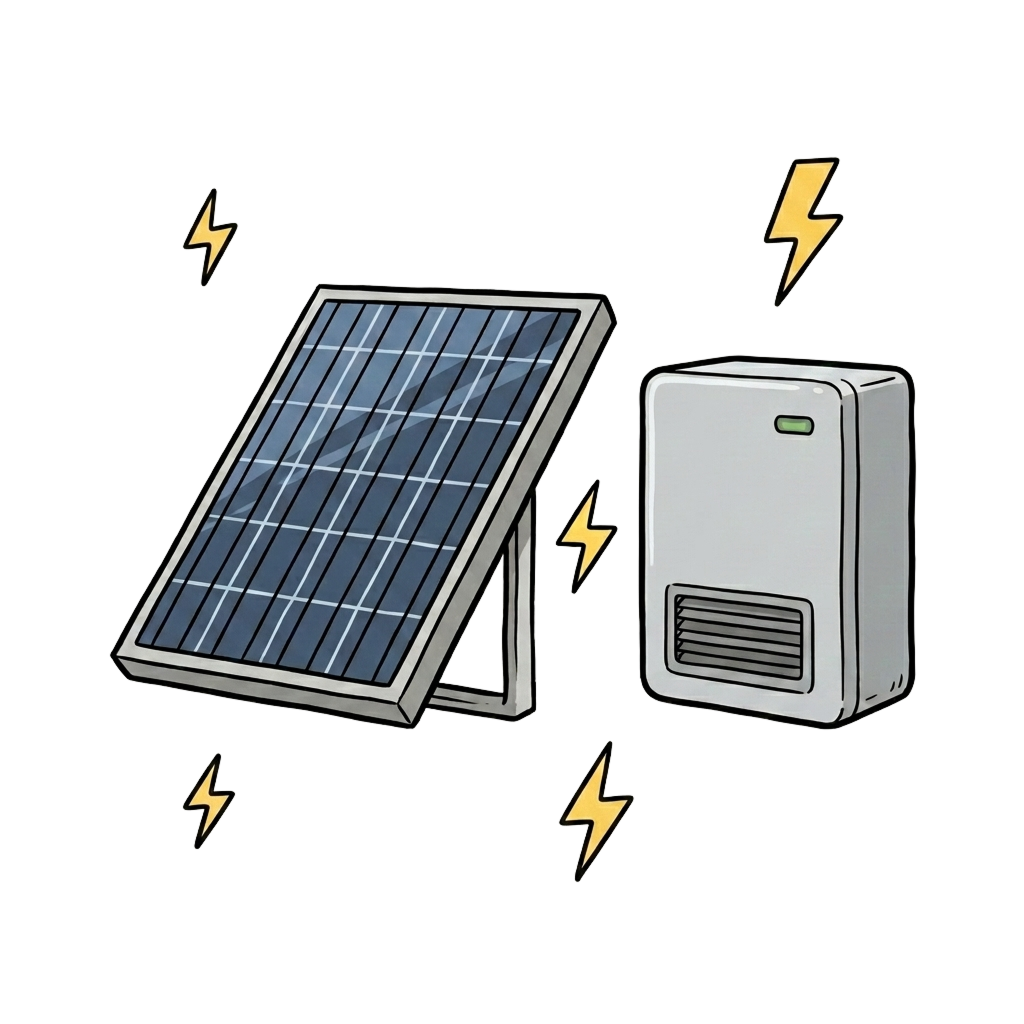
Illustration of a solar panel and home battery

Solar and batteries

{{solar_net_savings}} savings
net, {{solar_panel_life}} years panel lifetime

Solar offers strong payback for {{location}} homes, even in shaded areas, while improving energy independence. By pairing an {{solar_cost}} {{solar_size}} rooftop solar installation with a {{battery_cost}} {{battery_size}} home battery system, a {{location}} home will save {{solar_battery_15yr_savings}} on bills over 15 years.

With a mix of solar, battery, and grid electricity — financed at {{solar_finance_rate}} — the household is paying the equivalent electricity price of {{solar_effective_rate}}, compared to the average grid rate of around {{grid_rate}}. Solar panels are expected to last {{solar_panel_life}} years, with warranties of a similar length, meaning the system well outlasts any loan used to finance it. And a battery adds resilience, keeping essential appliances running during outages.

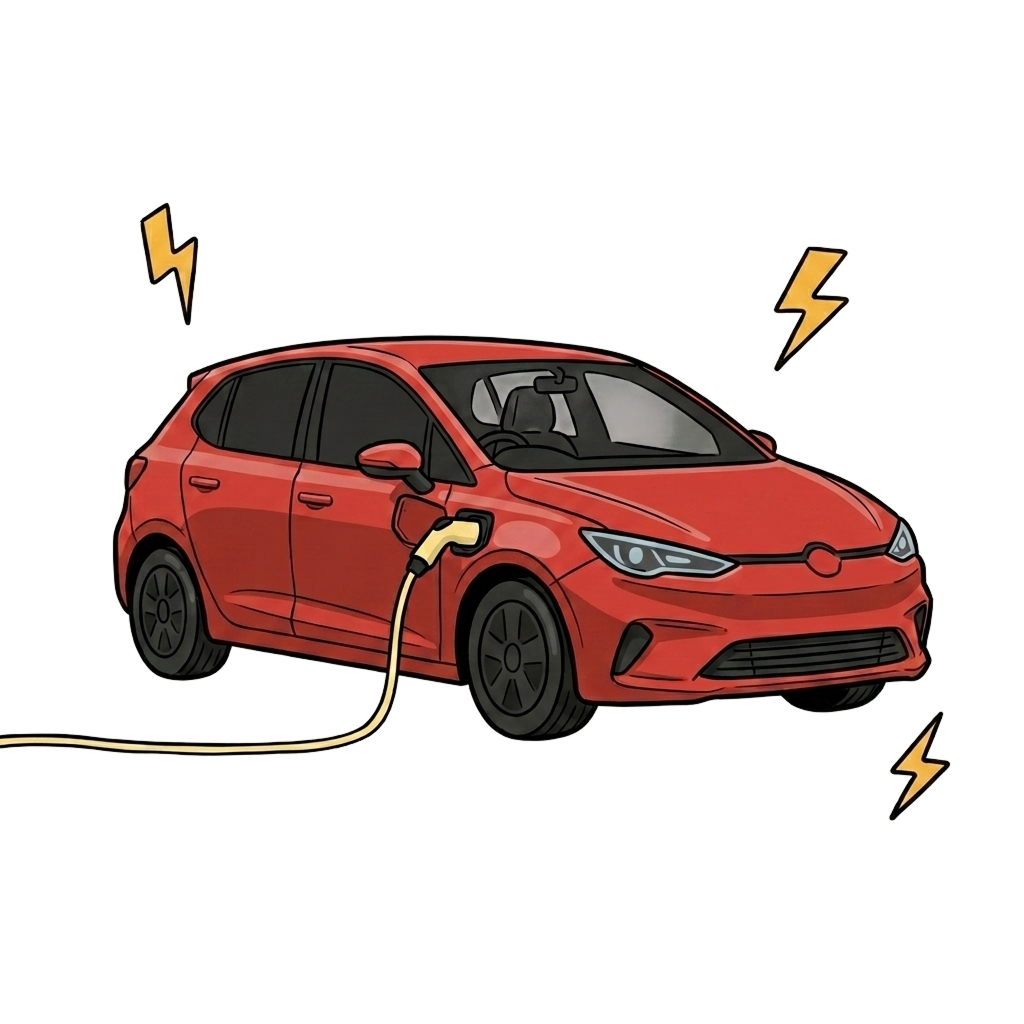
Illustration of an electric car on charge

Electric vehicle

{{ev_net_savings}} savings
net, 15 years
{{cars_fossil}}
fossil fuel cars

EVs are far cheaper to run, require little maintenance and aren't exposed to volatile global fuel prices. Plus they're quiet, comfortable and fun to drive! Switching from a petrol to an electric medium SUV saves {{ev_suv_savings}} on bills over 15 years, or around {{ev_annual_savings}} every year, including road user charges. Diesel ute drivers save even more at {{ev_ute_savings}} net over 15 years.

{{location}} drivers cover an average of {{driving_weekly_km}} per week: well within the range of a modern EV. And charging is easy. 80% of EV owners do more than half their charging at home. 60% trickle charge using a standard three-pin plug. Charging at home using grid electricity costs effectively half what you'd spend on petrol or diesel, and for those with rooftop solar, the savings are even greater. And for when you do need to charge on the go, public chargers are available at least every 75km on 97% of New Zealand highways.

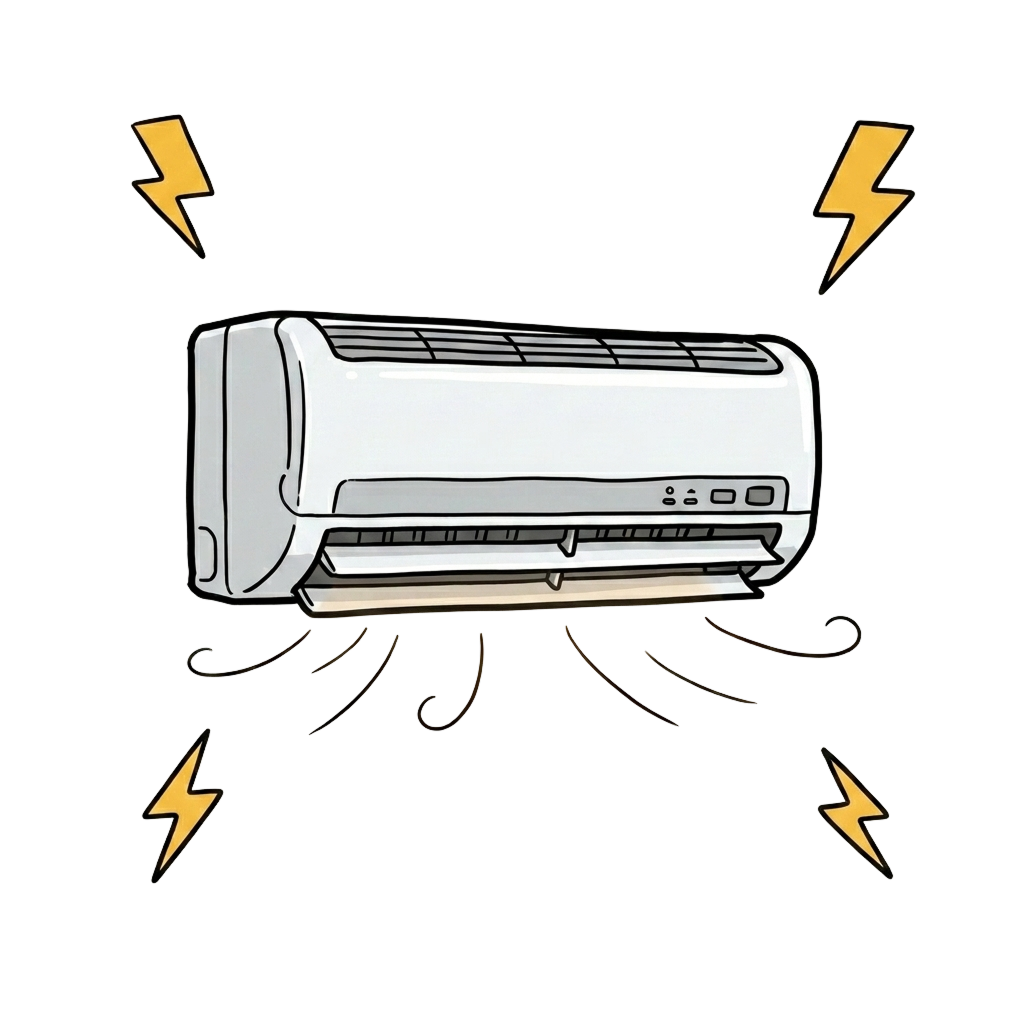
Illustration of a wall-mounted heat pump

Heat pump

{{heatpump_lifetime_savings}} savings
lifetime (LPG fire)
{{heaters_fossil}}
fossil fuel heaters

Heat pumps use around {{heatpump_energy_pct}} less energy than gas heaters to deliver the same warmth, and, unlike gas, they cool in summer too. Switching from an LPG fire to a heat pump saves {{heatpump_15yr_savings}} on bills over 15 years and {{heatpump_lifetime_savings}} over the lifetime including upfront costs, or around {{heatpump_annual_savings}} every year. Of {{location}}'s {{heaters_fossil}} non-electric heaters, approximately {{heaters_lpg}} are LPG. Whatever the fuel type, going electric brings significant savings, and the comfort upgrade is immediate.

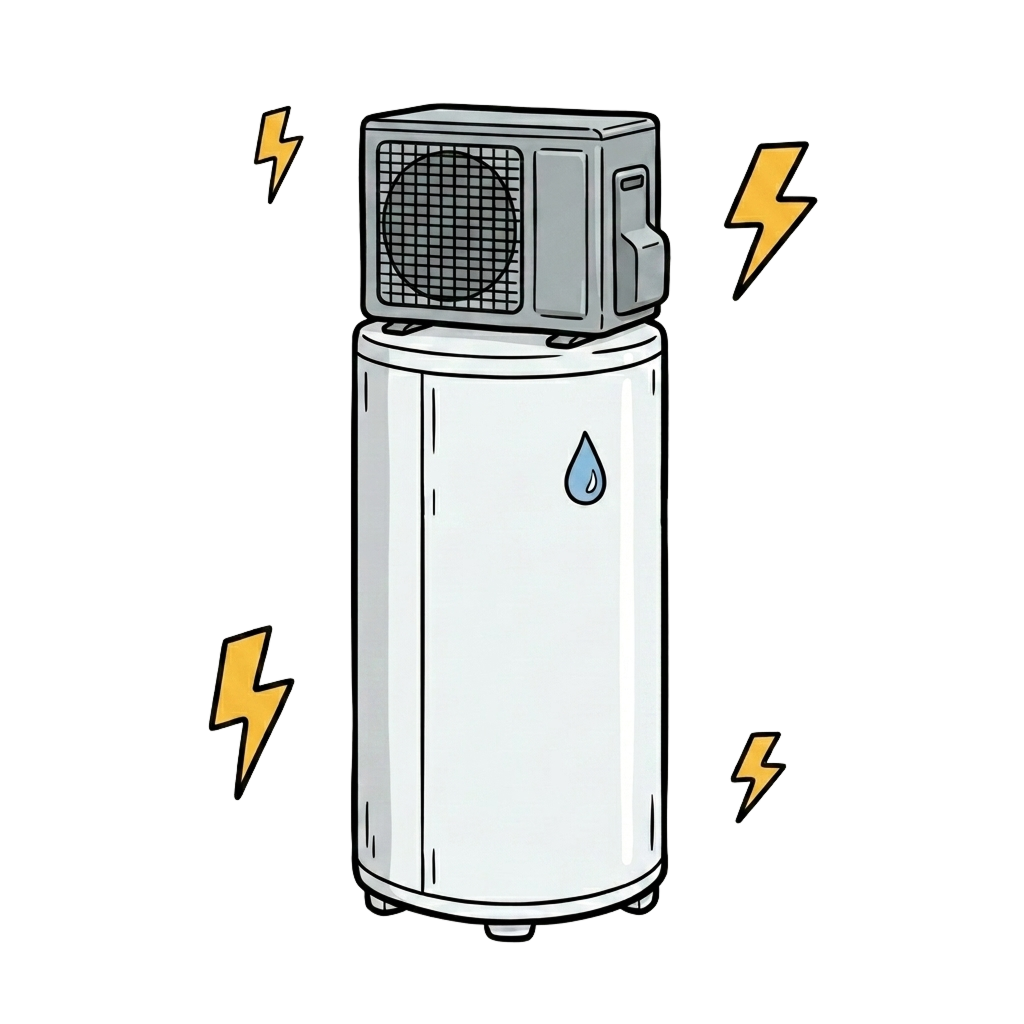
Illustration of a hot water heat pump cylinder

Hot water heat pump

{{water_15yr_savings}} savings
bill, 15 years (LPG instant)
{{water_heaters_fossil}}
fossil fuel water heaters

Hot water heat pumps have a higher upfront cost, but deliver the lowest ongoing energy bills of any water heating option. In {{location}}, switching from LPG instant to a hot water heat pump saves {{water_15yr_savings}} on bills over 15 years, or {{water_lifetime_savings}} over the lifetime including upfront costs. Of {{location}}'s {{water_heaters_fossil}} non-electric water heaters, approximately {{water_heaters_lpg}} are LPG instant.

Water heating makes up around {{water_energy_pct}} of an average home's energy load — making it one of the highest-impact switches a household can make. Hot water heat pumps can also act as a 'thermal battery' where you time it to heat water when electricity is cheapest, or when your solar panels are generating.

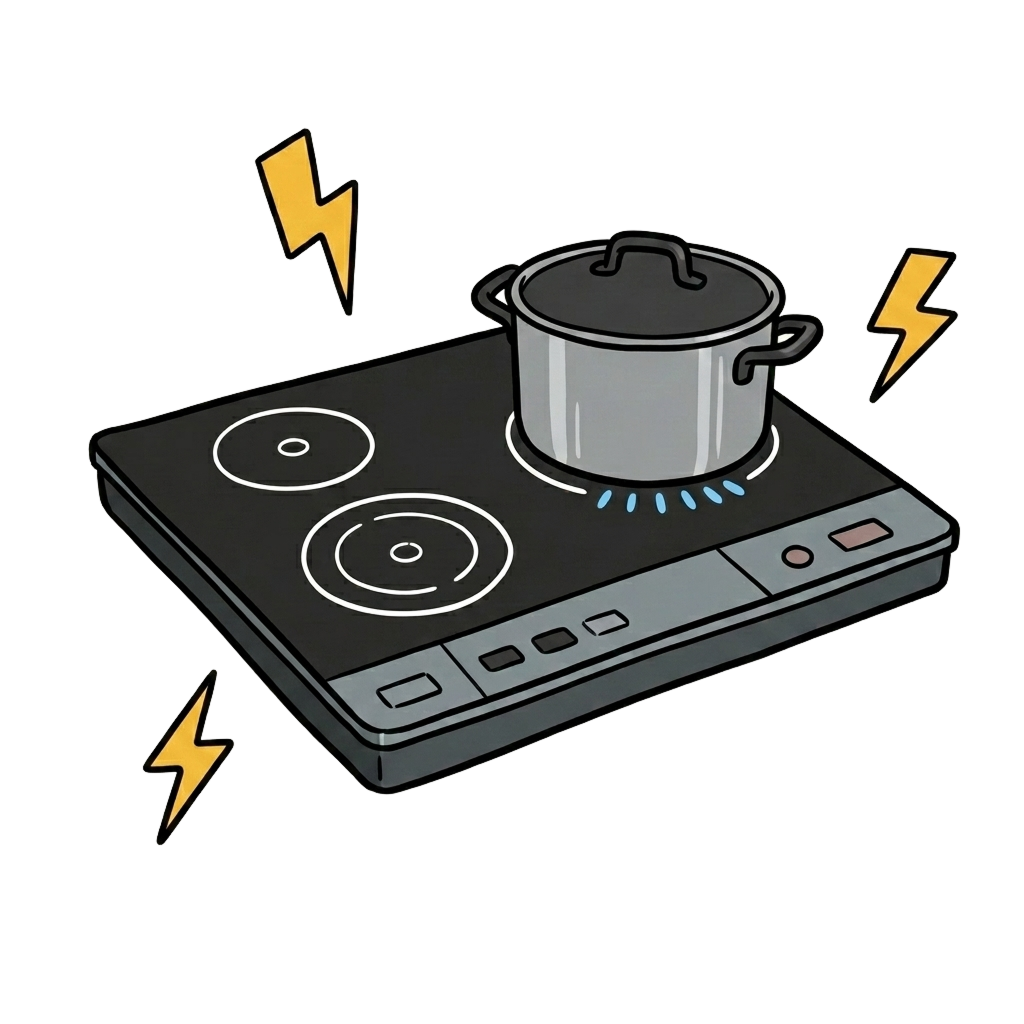
Illustration of an induction cooktop with a pot

Induction cooktop

{{cooktop_savings}} savings
net, 15 years (LPG)
{{cooktops_gas}}
fossil fuel cooktops

Cooking doesn't use a lot of energy but electric cooking is lower cost (and much lower emissions) than cooking with gas. Induction is more expensive upfront than resistive electric cooking, but offers lower ongoing bills. Switching from LPG to induction saves {{cooktop_savings}} on bills over 15 years.

But the most compelling case for induction might be health. Gas cooking releases nitrogen dioxide and other pollutants into the home, linked nationally to 200+ premature deaths, 3,200+ child asthma cases, and $3.3 billion in productivity and health costs every year.

Local stories

Local story photo

Local story: First Last

Bills before:  $X,XXX / month
Bills after:    $XXX / month
That's $XX,XXX saved per year!

Quote quote quote quote quote quote quote quote quote quote quote quote quote quote quote quote quote quote quote quote quote quote quote quote quote quote quote quote quote quote quote. Solar panels on the roof are like magic free energy!
Take the {{location}} report with you

Download a shareable PDF of the full {{location}} electrification report — perfect for council meetings, community groups, or sharing with your neighbours.

Download {{location}} report (PDF)